TikTok For You feed: why the EU wants to change yours
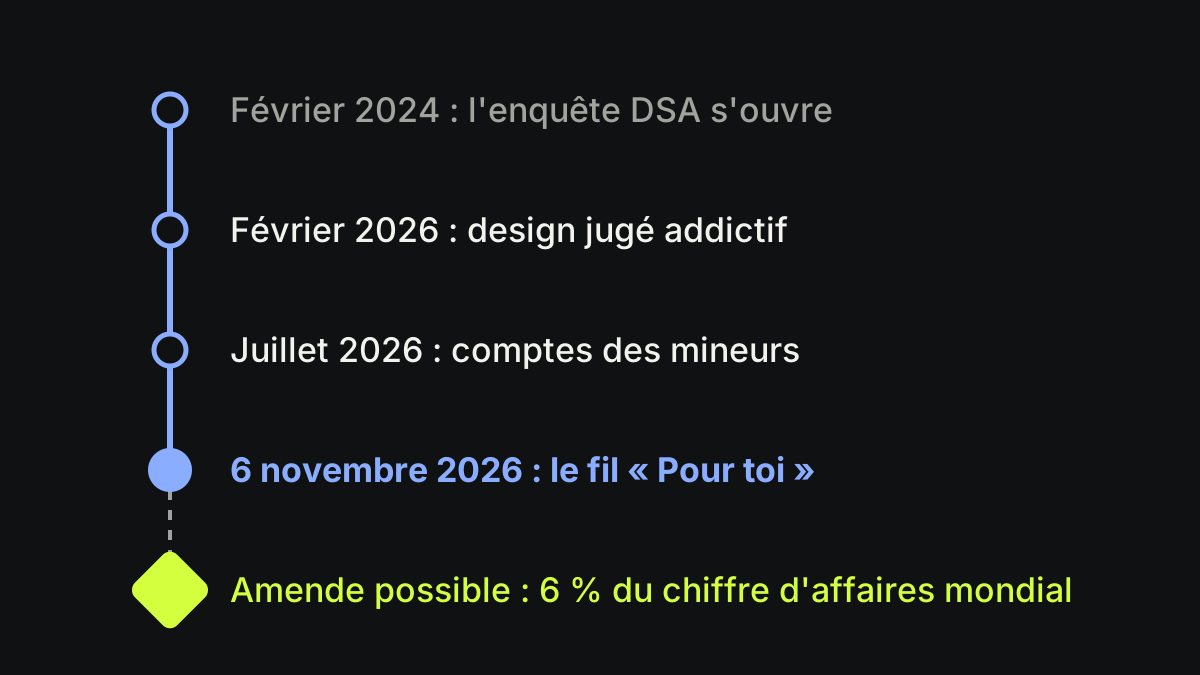
On November 6, 2026, the European Commission found that TikTok's "For You" feed violates the EU's Digital Services Act (DSA). The more you watch one type of video, the more similar ones the algorithm serves you, and Brussels believes these loops can harm young people's mental health. It's at least the third formal charge against TikTok since February.
Key takeaways
- On November 6, Brussels accused the "For You" feed of trapping users in "rabbit holes," streams of videos that keep getting more alike.
- In February 2026, it had already targeted infinite scroll, autoplay and notifications.
- These are preliminary findings: TikTok can respond, and the possible fine goes up to 6% of its global revenue.
- A new bill, the Digital Fairness Act, presented on November 11, aims to extend these rules to every app.
February 2024: Brussels opens the TikTok case
It all started with the DSA, which took effect for very large platforms in 2023. The law requires them to assess the risks their service poses to users, then reduce them. In February 2024, the Commission opened formal proceedings against TikTok on several points, including the effects of its algorithm on minors. The investigation then moved forward in parts, each with its own findings.
February 2026: infinite scroll in the crosshairs
The first part landed in February 2026. The Commission concluded, on a preliminary basis, that the app's very design is addictive. It pointed to four mechanisms: endless scrolling, video autoplay, repeated notifications and a finely tuned recommendation algorithm. Together, the Commission says, they put users on a kind of "autopilot" where they keep scrolling without realizing it.
Brussels also faulted TikTok for ignoring warning signs, like minors using the app in the middle of the night or how many times a day the app gets opened. Screen time limits can be dismissed in a few taps, and for many parents, parental controls take technical know-how. TikTok called these findings "categorically false."
July 2026: accounts of 16- and 17-year-olds
At the end of July came the second part, this time about minors' privacy. According to the Commission, a teen can make their account public, and videos from 16-17-year-olds can show up in anyone's "For You" feed. Even a private account shows its profile picture and appears in other people's follower lists. The Commission's executive vice-president, Henna Virkkunen, summed up the demand in one sentence: maximum protection must be the default setting.
November 6: the "rabbit holes" of the For You feed
The third part goes after the heart of the app. The algorithm behind the "For You" feed runs on signals like time spent on each video and likes. If you linger on weight loss or body image videos, it shows you more of them. The Commission believes these repetitive streams can worsen anxiety, body insecurity and eating disorders.
The Commission acknowledges that TikTok has already added tools to diversify the feed, but considers them ineffective. The "Not interested" button sometimes does nothing, and video ranking still favors watch time over what users say they want. According to Siècle Digital, a French tech news site, TikTok disputes these findings and points out that it has already changed its feed.
Is TikTok scrolling really addictive?
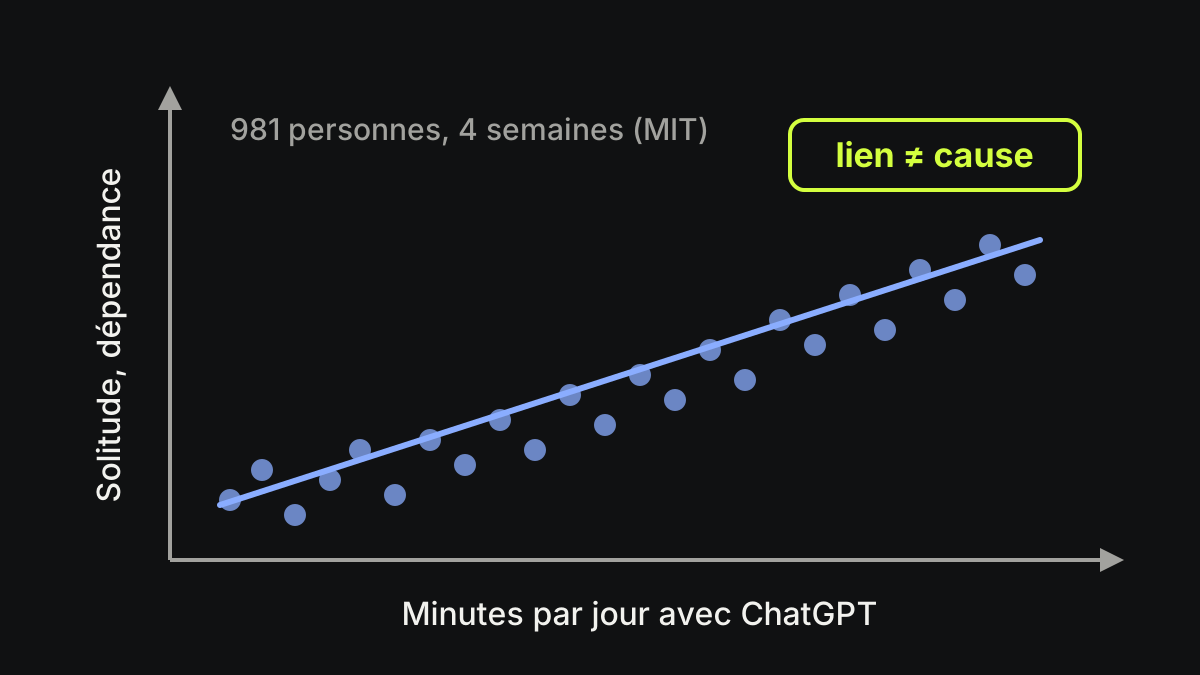
"Social media addiction" isn't an official diagnosis in the main medical classifications, unlike gambling addiction. Researchers prefer to talk about problematic or compulsive use. Studies on the topic mostly show links between heavy use and low well-being, without always being able to say which causes which: an anxious teen might scroll more because they're struggling.
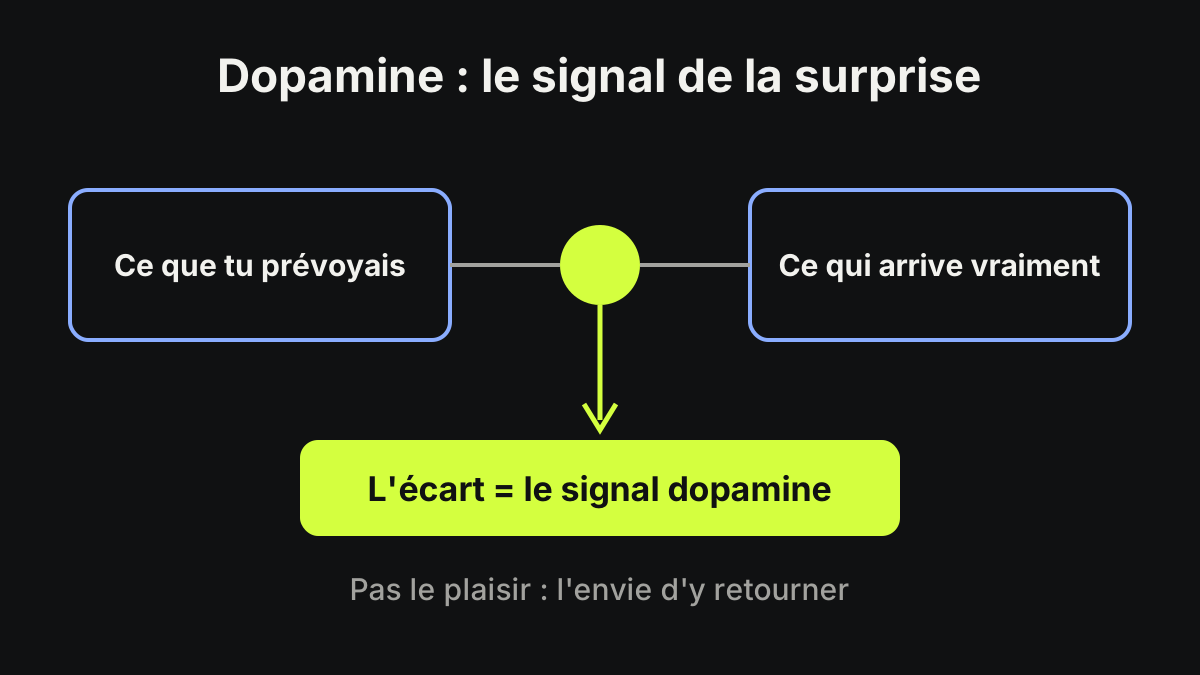
So the Commission doesn't need to prove addiction in the medical sense. The DSA asks it to check that TikTok assessed the risks of its design and took effective measures, and that's where it finds TikTok falling short. We covered what science knows about the brain's reward circuit in our article on dopamine detox.
Will the "Not interested" button finally work?
Nothing changes on your phone for now. The Commission has to consult the European Board for Digital Services before a final decision. If it confirms its findings, ByteDance, TikTok's parent company, faces a fine of up to 6% of its annual global revenue, and would have to change the feed so it actually takes your preferences into account.
On November 11, the Commission also presented the Digital Fairness Act, which would cover every app and website, including the smallest ones. The bill would let adults turn off certain engagement mechanisms, ban loot boxes for minors and block free trials from turning into paid subscriptions without explicit consent. It still has to be negotiated by the European Parliament and the member states, with no set date for it to take effect.
Translated with the help of AI from our French article, which is prepared with AI from the sources, then reviewed and approved by Valentin Fouilloud before publication. How we work