Jensen Huang resigns from Nvidia: what it means for AI startups
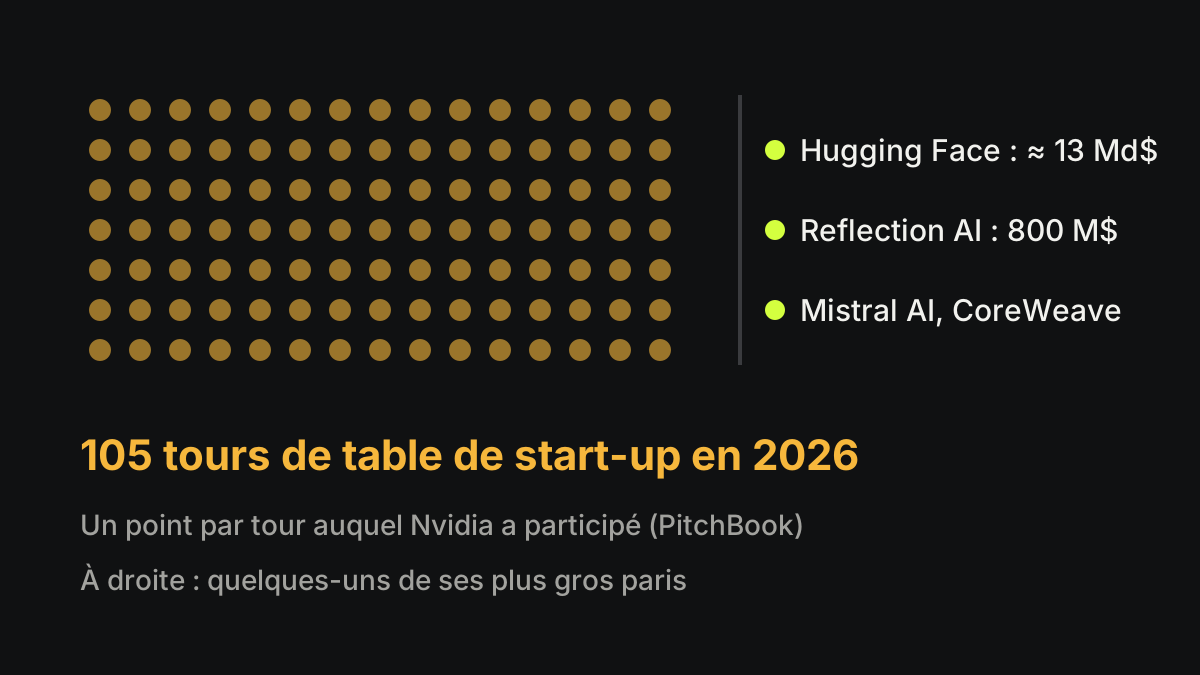
Jensen Huang, Nvidia's cofounder and CEO for 33 years, resigned on November 11, 2026. His exit follows two weeks of revelations in the US press about his private life and his ties to a customer that Washington suspects of helping smuggle chips into China. Nvidia doesn't just sell the chips that run a large share of the world's AI: under his leadership, the company took part in 105 startup funding rounds in 2026 alone, according to the research firm PitchBook.
Key takeaways
- Colette Kress, Nvidia's chief financial officer, is serving as interim CEO while keeping her current job.
- Jensen Huang admitted to infidelity. The suspicions of espionage and of chips diverted to China are under investigation, with no formal charges so far.
- Nvidia has invested in Mistral AI, CoreWeave and Reflection AI, and is set to acquire Hugging Face for about $13 billion.
- Investors interviewed by TechCrunch expect smaller checks for AI startups.
From October 29 to November 11: Jensen Huang's fall
On October 29, the New York Times reported a close relationship between Jensen Huang and Alice Huang (no relation), an executive at Megaspeed. This Singapore company, which bought $4.8 billion worth of Nvidia chips over two years according to the BBC, has been under US and Singaporean investigation since 2025 over possible violations of export rules to China. At the time, Nvidia said the meetings were nothing unusual.
On November 6, the same paper reported that a secret US government memo considers Alice Huang a spy working for Beijing. On November 8, Jensen Huang published a letter to employees in which he admitted to having been unfaithful to his wife, without naming the other person. The board of directors launched an independent investigation, and the stock fell more than 5% the next day.
On November 11, the New York Times reported another relationship, with a vice president at the company who reported to him. That same evening, the board accepted his resignation. The stock had lost 11% in five days.
A spy and chips smuggled to China: what's actually established?
Only two things have been confirmed by Jensen Huang himself: his infidelity, in his November 8 letter, and his resignation. Everything else is part of ongoing investigations. The idea that Alice Huang works for Chinese intelligence is the view of US officials, as reported by the press. The alleged diversion of chips to China is being investigated by the US Department of Justice, with no conclusion or indictment at this stage. Nvidia says it has no reason to believe its products were diverted.
The case has also turned political. Several congressional committees want to hear from Jensen Huang, and Democratic lawmakers have launched an investigation into how the Trump administration handled Nvidia chip sales to China.
Why are AI startups worried?
Because Nvidia was one of their biggest backers. Under Jensen Huang, the company poured tens of billions of dollars into young companies every year, often as the lead investor in the round. It backed CoreWeave before its IPO, wrote an $800 million check to Reflection AI before the startup was even making money, according to the Wall Street Journal, and it is a shareholder in French company Mistral AI, the maker of Mistral Large 4, the big open-weight AI model.
Nvidia's money also worked as a seal of approval. "When Nvidia was on the cap table, everyone felt safe," investor Umesh Padval, of Seligman Ventures, told TechCrunch. The funds interviewed expect Colette Kress, described as "much more cautious," to back fewer new projects and write smaller checks. That could make other investors hesitant to follow.
You could see this as an opening for Nvidia's competitors. These investments had a side effect: the startups it backed built their services on Nvidia chips, which strengthened its dominance. Google unveiled two new AI chips the same week.
Hugging Face and open-source AI: where do things stand?
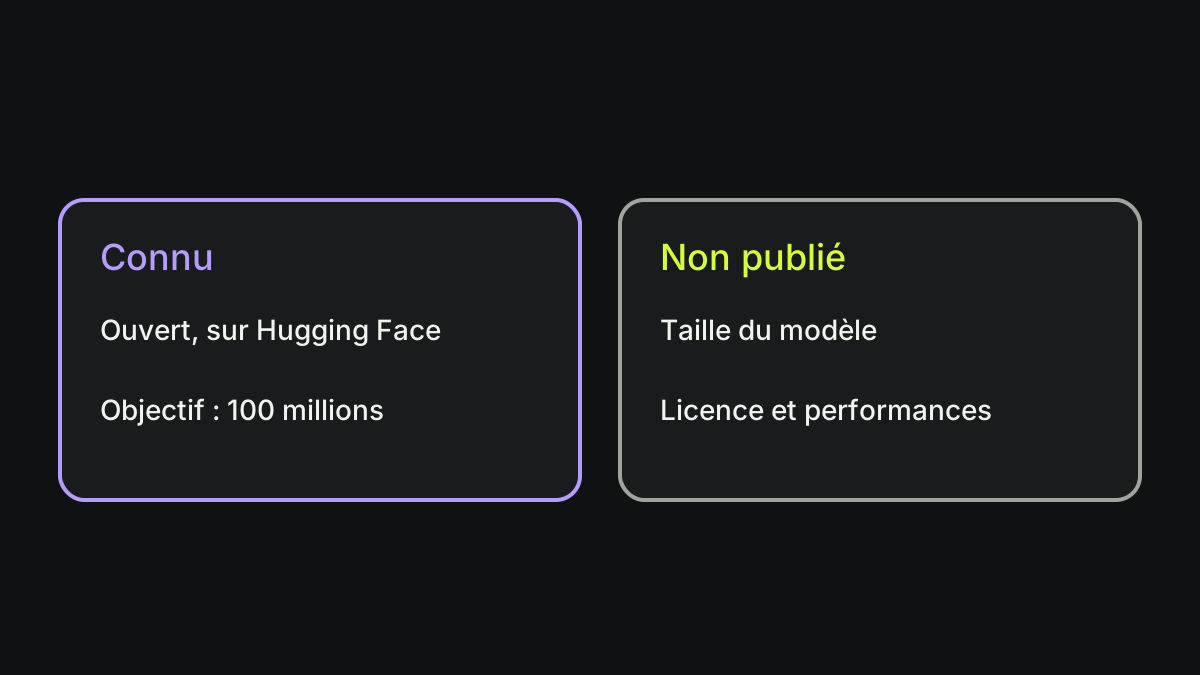
The acquisition of Hugging Face, the platform where developers share freely available AI models, has not been officially called into question. It is expected to close in 2027. Still, TechCrunch notes that Jensen Huang's departure raises questions about Nvidia's support for open models, a cause he was one of the leading champions of. Clément Delangue, the French cofounder of Hugging Face, publicly defended Nvidia after the resignation.
The board has not yet picked a firm to recruit a permanent successor, it told CNBC on November 13. Jensen Huang, meanwhile, has agreed to testify before Congress before Thanksgiving, on November 26.
Translated with the help of AI from our French article, which is prepared with AI from the sources, then reviewed and approved by Valentin Fouilloud before publication. How we work